Ecotourism as a Tool for Jungle Conservation
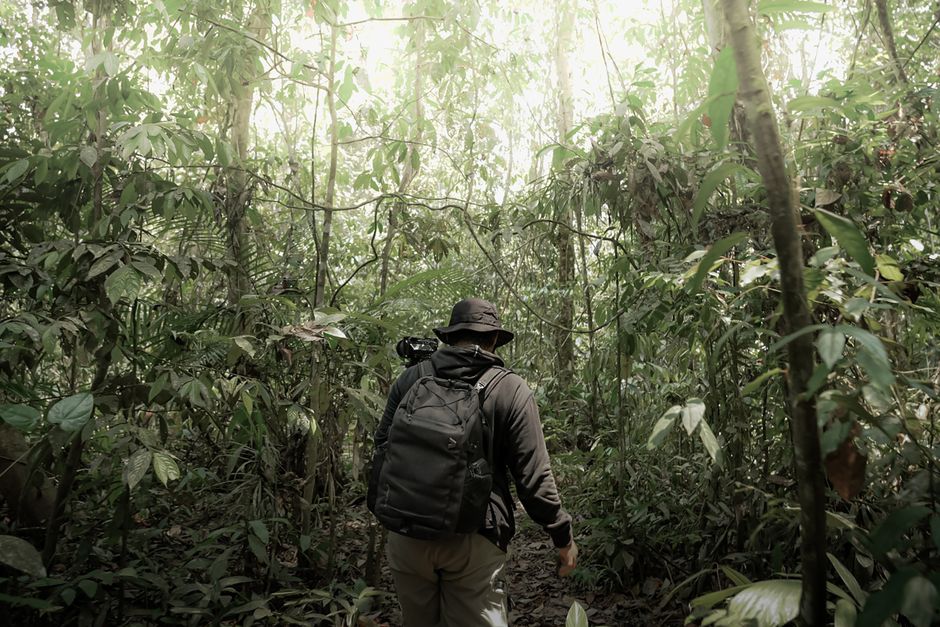
Ecotourism has emerged as a strategy that seeks to reconcile economic development with environmental preservation. In the context of tropical jungles, where biodiversity is high and pressures from deforestation, poaching, and extractive industries are persistent, ecotourism offers a potential pathway for generating revenue while maintaining ecological integrity. The core idea is that when tourism is carefully planned and managed, the financial incentives it creates can encourage local populations to protect natural areas rather than exploit them. This article explores how well-managed ecotourism can provide income for local communities and simultaneously support the conservation of wildlife habitats, drawing on experiences from Costa Rica and Peru.
The effectiveness of ecotourism as a conservation tool depends on the structure of the programs, the degree of community involvement, and the regulatory frameworks in place. Without proper guidelines, tourism can lead to habitat degradation, waste accumulation, and disturbance to wildlife. Therefore, understanding the principles and operational conditions that make ecotourism beneficial is essential for practitioners, policymakers, and travelers alike. The following sections discuss the key components of successful ecotourism initiatives and illustrate them with concrete examples from two countries that have invested significantly in this approach.
Principles of Well-Managed Ecotourism
Well-managed ecotourism is built on several foundational principles that distinguish it from conventional mass tourism. One central element is the active participation of local communities in planning, operating, and benefiting from tourism activities. When residents have a stake in the outcomes, they are more likely to support conservation measures and monitor illegal activities. Another principle is the use of low-impact infrastructure, such as lodges built with sustainable materials, renewable energy systems, and waste treatment facilities that minimize environmental footprints.
Education and interpretation are also key components. Visitors receive information about the local ecosystem, cultural practices, and conservation challenges, which can foster a sense of stewardship. Revenue sharing mechanisms, such as entrance fees, accommodation taxes, or direct payments to community funds, ensure that a portion of tourism income flows back into conservation and local development. Certification programs, like the one run by the Costa Rican Tourism Board, help standardize best practices and provide transparent benchmarks for operators. These principles work together to create a system where tourism becomes a positive feedback loop for both people and nature.
Economic Benefits for Local Communities
The economic dimension of ecotourism is often the most immediate driver for community acceptance. In regions where traditional livelihoods such as logging, farming, or hunting are no longer viable or are ecologically damaging, ecotourism can provide alternative sources of income. Jobs are created directly in lodges, guiding, transportation, food services, and artisan crafts, as well as indirectly through supply chains and maintenance services. For many families, this income can be more stable and higher than what they would earn from extractive activities.
It is important to note that the distribution of economic benefits depends on the governance structure of the tourism operation. When local cooperatives or community-owned enterprises manage lodges and tours, a larger share of the revenue stays within the community. In contrast, externally owned and operated facilities may leak profits out of the area. Therefore, the design of ownership models and profit-sharing agreements is a critical factor. Conditional on these arrangements, ecotourism can reduce poverty and reduce incentives for habitat destruction, though it does not guarantee these outcomes in every situation.
Habitat Protection Through Ecotourism
Beyond economic incentives, ecotourism can contribute directly to habitat protection through the creation and maintenance of protected areas. Many national parks, reserves, and private conservation areas rely on entrance fees and tourism taxes to fund ranger patrols, anti-poaching efforts, and ecological monitoring. In some cases, ecotourism enterprises also purchase land or conservation easements to prevent deforestation or mining claims. The presence of regular tourist traffic can itself act as a deterrent to illegal activities, as outsiders provide additional eyes on the ground.
Wildlife habitats are also protected when tourism operators adopt spatial and temporal zoning to minimize disturbance. For example, trails are designed to avoid sensitive nesting sites, and visitor numbers are capped during breeding seasons. In the Peruvian Amazon, some lodges follow strict protocols for animal observation that reduce stress on species like jaguars and macaws. These measures are not absolute safeguards, but they illustrate how tourism can be integrated into a broader conservation strategy that includes scientific research and community-based monitoring.
Case Study: Ecotourism in Costa Rica
Costa Rica is frequently cited as a pioneer in ecotourism, largely due to its extensive system of national parks and biological reserves, which cover more than a quarter of its territory. The country has developed a mature tourism sector that emphasizes nature experiences, from canopy walks to wildlife viewing. One well-known example is the Monteverde Cloud Forest Reserve, where community-owned lodges and guided tours generate significant revenue that supports local schools and conservation projects. The nearby town of Santa Elena has seen economic growth while maintaining forest cover.
Another example is the Osa Peninsula, where lodges such as those in the Corcovado National Park buffer zone work with local landowners to create biological corridors. Certification programs like the Certificate for Sustainable Tourism (CST) evaluate businesses on environmental, social, and economic criteria, encouraging continuous improvement. While Costa Rica has faced challenges such as overdevelopment and waste management in some areas, the overall model demonstrates that a national commitment to ecotourism can produce measurable conservation results, including the recovery of species like the jaguar and scarlet macaw in certain regions.
Case Study: Ecotourism in the Peruvian Amazon
In Peru, ecotourism initiatives in the Amazon basin have taken different forms, often centered on community-led enterprises. The Tambopata National Reserve and the adjacent Bahuaja-Sonene National Park are examples where tourism concessions are granted to native communities and private operators under strict environmental regulations. The Posada Amazonas lodge, a partnership between a tour company and the local Infierno community, has been operating for over two decades. Under this arrangement, the community receives a portion of the lodge’s income and participates in management decisions.
Research conducted in the region suggests that households involved in ecotourism have lower rates of forest clearing and hunting compared to those that rely solely on agriculture or logging. The presence of ecotourism has also helped fund biological research, such as macaw clay lick monitoring and camera trap surveys. Nevertheless, the Peruvian Amazon faces ongoing pressures from illegal gold mining and oil extraction, which can undermine tourism benefits. The resilience of ecotourism as a conservation tool in this context depends on strong enforcement of land rights and the continued involvement of communities in governance.
Challenges and Considerations
Despite the potential benefits, ecotourism is not a panacea for jungle conservation. One significant challenge is the risk of overtourism, where high visitor numbers degrade habitats and disrupt wildlife. This is especially problematic in small reserves or during peak seasons when infrastructure is inadequate. Additionally, ecotourism markets can be volatile, affected by economic downturns, political instability, or public health crises, such as the COVID-19 pandemic, which severely reduced travel and exposed the fragility of tourism-dependent conservation models.
Another consideration is equity: without careful planning, ecotourism can exacerbate inequalities within communities, benefiting those with land or capital while leaving others behind. Leakage of revenue to outside companies or to government coffers that do not reinvest locally can also reduce the conservation impact. Finally, there is the question of scale—ecotourism often works best in relatively small, high-value areas, but conserving vast jungle landscapes requires large-scale interventions. Therefore, ecotourism should be seen as one component of a diversified conservation strategy that includes legal protection, law enforcement, sustainable resource use, and climate change mitigation. When implemented with transparency and adaptive management, it can play a constructive role in preserving jungle ecosystems.